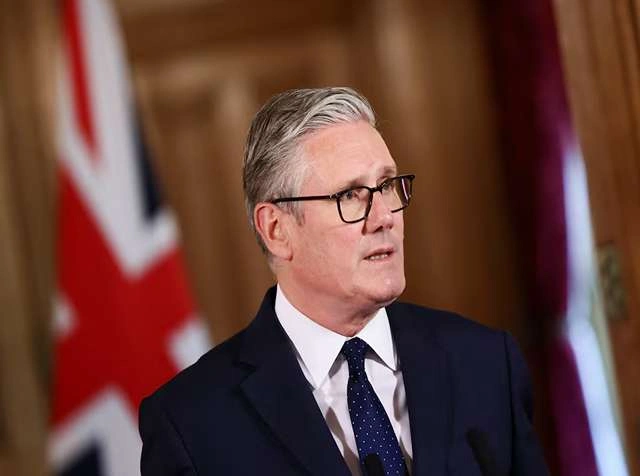



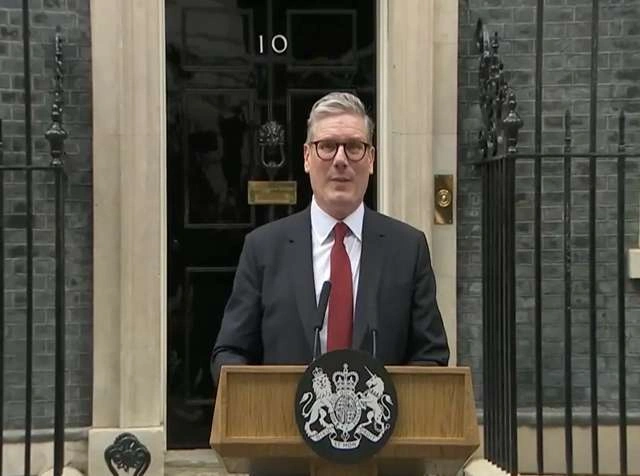
Prime Minister Keir Starmer is facing one of the biggest political crises of his leadership as pressure inside the Labour Party continues to intensify following heavy local election losses. More than 70 Labour MPs have now publicly called for him to resign or set a clear timetable for stepping down, according to multiple reports.
The backlash grew after Starmer delivered a speech intended to calm internal tensions but which instead appeared to deepen frustration among many MPs and senior ministers. In the speech, Starmer insisted he would not “walk away” and warned Labour would damage itself by descending into another leadership battle.
However, several Labour figures reportedly felt the speech failed to offer a convincing plan for rebuilding support after the party’s poor election performance. Local election results saw Labour lose control of multiple councils across England while Reform UK made major gains, raising fears about Labour’s direction ahead of the next general election.
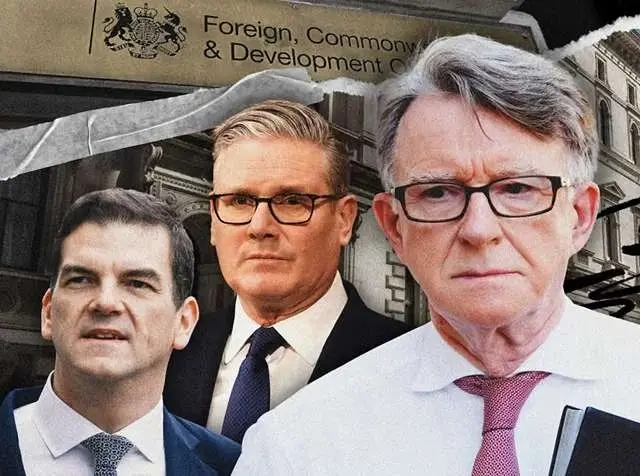
According to Sky News and The Guardian, senior cabinet figures including Yvette Cooper and Shabana Mahmood privately urged Starmer to consider overseeing an “orderly transition” rather than continuing a prolonged internal fight.
Despite the growing rebellion, Starmer has continued resisting calls to resign and remains publicly committed to staying in office.
Cabinet Divisions Deepen Ahead of Critical Meeting
The political pressure surrounding Starmer intensified further ahead of a crucial cabinet meeting expected to shape the future of his premiership. Reports suggested several senior ministers are now openly debating whether his leadership can survive the growing internal revolt.
Sky News reported that top ministers urged Starmer to set out a departure timetable in order to avoid months of destabilizing infighting inside Labour. According to reports, some cabinet members believe the situation may become worse if uncertainty around his leadership continues.
At least two ministers reportedly encouraged Starmer to manage a “responsible, dignified, orderly” transition after the local election losses severely weakened confidence in his leadership. Others inside the cabinet, however, continued backing him and argued Labour would appear chaotic if another leadership contest erupted so soon after taking power.
The crisis has already triggered resignations from several parliamentary aides. According to live political coverage from The Guardian and BBC, aides connected to senior ministers stepped down while publicly criticizing Labour’s direction and warning that voters were losing trust in the government.
Starmer’s allies reportedly spent the weekend attempting to stabilize the situation through private calls, reshuffles of junior parliamentary roles, and outreach to unhappy MPs.
Still, reports suggested many Labour MPs now believe the issue is no longer whether Starmer faces a leadership challenge, but when it may happen and who might emerge as his replacement.
Wes Streeting Emerges as Possible Leadership Challenger
Much of the speculation inside Labour has now centered around Wes Streeting, who is increasingly being discussed as a possible successor if Starmer’s leadership collapses. Reports from several outlets suggested Streeting is positioning himself for a potential leadership contest, although he has not formally announced any challenge.
Streeting, currently serving as health secretary, has long been viewed as one of Labour’s most ambitious and high-profile figures. Some of Starmer’s allies reportedly accused him and his supporters of quietly helping organize opposition to the prime minister behind the scenes.
At the same time, reports suggested Streeting still faces significant resistance among Labour’s grassroots membership. A survey referenced by The Guardian found only 11% of Labour members currently support him as a future leader, compared with much stronger support for Greater Manchester mayor Andy Burnham.
Other names being discussed internally include Angela Rayner, who has recently delivered speeches criticizing Labour’s direction and warning the party is “running out of time” to reconnect with voters.
Despite the growing speculation, no formal leadership challenge has yet been launched. However, reports suggested dissent inside Labour is approaching the threshold needed to trigger an official contest.
The uncertainty surrounding possible successors has only added to tensions inside the party as different factions position themselves for what could become a major leadership battle in the coming weeks.
Election Losses and Reform UK Surge Shake Labour
The crisis inside Labour has largely been driven by the party’s poor performance in the recent local elections, which many MPs described as a major warning sign for the government. Labour lost control of 25 councils across England and suffered setbacks in Wales, despite being in government nationally.
The biggest political shock came from the rise of Nigel Farage and Reform UK, which made major gains across multiple regions. Farage described the results as a “historic shift” and a “complete reshaping of British politics.”
Many Labour MPs blamed the losses on what they described as a lack of clear direction from Starmer’s government. Several MPs argued voters no longer believe Labour is delivering meaningful economic change or responding effectively to issues like migration, public services, and living costs.
Criticism also focused on specific policies, including winter fuel payment reforms and controversial proposals tied to jury reforms and immigration rules. Some MPs warned Labour risked losing traditional working-class support while also failing to energize younger progressive voters.
Starmer responded by insisting Labour still has time to rebuild trust before the next general election. He argued the government remains focused on long-term economic reforms and warned that internal chaos would only strengthen political opponents.
Still, growing fears about Reform UK’s momentum and Labour’s declining popularity have now pushed the party into one of its deepest internal crises since returning to power.