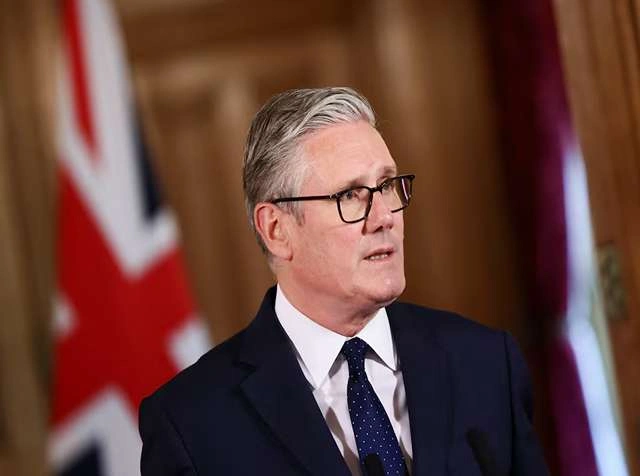



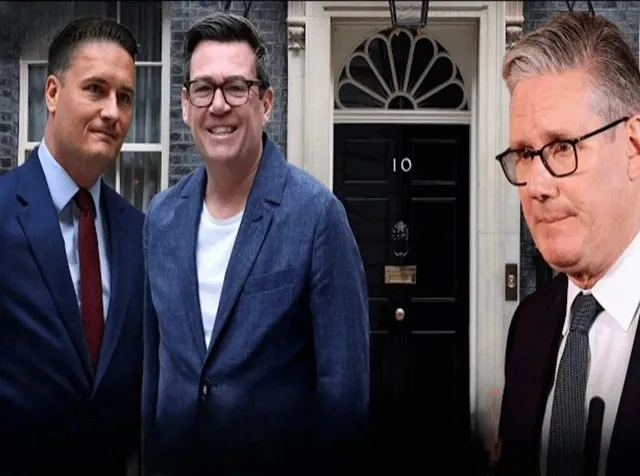
The Labour Party’s internal crisis deepened as tensions escalated between senior figures positioning themselves for a possible post-Keir Starmer leadership contest. Former health secretary Wes Streeting reignited fierce debate over Brexit after declaring that leaving the European Union had been a “catastrophic mistake” and arguing Britain should eventually seek closer ties with Europe again.
Streeting’s comments triggered immediate backlash inside Labour, particularly from allies of Greater Manchester Mayor Andy Burnham, who is widely viewed as another leading contender to replace Starmer if the prime minister’s political troubles worsen. Burnham supporters accused Streeting of deliberately reopening divisive Brexit arguments in order to politically damage Burnham ahead of the Makerfield by-election.
The conflict comes after Labour suffered major local election losses and mounting criticism over Starmer’s leadership. Reports said Starmer has become increasingly frustrated with cabinet divisions and growing public discussion about succession planning inside the party.
Streeting formally confirmed he would stand in any Labour leadership contest, arguing the party needs a “proper contest” rather than a managed succession. Burnham, meanwhile, has gained support from some senior Labour figures who believe he could reconnect the party with working-class voters after Labour’s recent electoral setbacks.
The renewed Brexit debate exposed major ideological divisions inside Labour about how aggressively the party should challenge the political consensus surrounding Britain’s departure from the European Union. Several Labour MPs warned that pushing too hard for closer EU integration could alienate former Leave-voting constituencies Labour needs to regain.
At the same time, pro-European figures inside the party argued Brexit continues damaging the British economy and limiting growth. Streeting’s remarks reflected growing frustration among some Labour members who believe the party has been too cautious about discussing Brexit’s economic consequences.
The increasingly public leadership struggle has raised concerns among Labour officials that internal divisions could further weaken the party while Reform UK and the Conservatives attempt to capitalize on voter dissatisfaction.
David Lammy Faces Pressure Over Britain’s Relationship With Europe
Deputy Prime Minister David Lammy also came under intense scrutiny after repeatedly refusing to say whether Britain should eventually rejoin the European Union. During multiple television interviews, Lammy declined several opportunities to clarify whether he agreed with Wes Streeting’s argument that Britain should reverse Brexit in the long term.
Lammy’s refusal to rule out closer future integration with Europe immediately fueled speculation about Labour’s evolving Brexit policy and intensified divisions inside the party. Conservative critics accused Labour figures of attempting to gradually reopen the debate about reversing Brexit despite earlier promises to respect the 2016 referendum result.
The Telegraph reported that Lammy sidestepped at least eight direct questions about whether Britain should seek to rejoin the EU or customs union in the future. Instead, he repeatedly emphasized the need for “pragmatic” cooperation with European partners while criticizing the economic consequences of Brexit.
Lammy has previously suggested Brexit significantly harmed the British economy and argued that deeper economic cooperation with Europe could improve growth. His latest comments therefore intensified speculation that some senior Labour figures may eventually support forms of reintegration with European institutions.
The issue has become especially politically sensitive because Labour continues struggling to balance support from pro-European urban voters against the need to retain working-class constituencies that strongly backed Brexit. Several Labour strategists warned that reopening the Brexit debate too aggressively could damage the party electorally.
At the same time, supporters of closer EU ties argued Britain’s economic difficulties increasingly make discussions about European reintegration unavoidable. Streeting and several allies suggested Britain should eventually rebuild trade links and economic coordination with the European Union.
The renewed debate highlighted how Brexit remains one of the most divisive issues inside British politics nearly a decade after the referendum. Even within Labour, there remains no clear consensus about how far Britain should move toward rebuilding ties with Brussels.
Economic Debate Over Brexit Returns to Center of British Politics
The political arguments surrounding Brexit intensified after new economic analysis reignited debate about whether leaving the European Union severely damaged the British economy. Sky News published economic data and comparative charts examining Britain’s performance since Brexit, following Wes Streeting’s description of Brexit as a “catastrophic mistake.”
The analysis focused on trade performance, economic growth, productivity, and investment trends since Britain formally left the EU. Supporters of closer European integration argued the data demonstrates Brexit weakened Britain’s economy and reduced long-term growth potential.
Streeting argued that rejoining the European Union or rebuilding significantly closer ties could help restore trade relationships and improve Britain’s economic position. His remarks represented one of the strongest public criticisms of Brexit yet made by a senior Labour figure during Starmer’s leadership period.
However, Brexit supporters strongly rejected claims that leaving the EU had been economically catastrophic. Conservative figures argued Britain’s challenges stem more from global inflation, energy prices, and broader international instability than Brexit itself.
The debate also reopened longstanding disagreements over how economic data related to Brexit should be interpreted. Some economists argue Britain’s growth has lagged behind comparable economies partly because of increased trade barriers and reduced investment following Brexit. Others contend the long-term effects remain difficult to isolate from broader global economic shocks.
The arguments surrounding Brexit’s economic legacy have now become deeply connected to Labour’s leadership battle and future political direction. Candidates positioning themselves for a possible leadership contest increasingly appear divided over how openly the party should criticize Brexit or advocate closer ties with Europe.
The renewed focus on Brexit also comes during a period of broader economic anxiety in Britain involving inflation, stagnant growth, housing pressures, and public frustration with living costs. Those economic concerns have intensified scrutiny of both Labour and Conservative policies.
The issue therefore remains not only a constitutional and political question, but also a central argument shaping Britain’s future economic strategy and party politics.
Starmer Faces Mounting Pressure as Labour Divisions Deepen
Prime Minister Keir Starmer continues facing growing pressure from within his own party as Labour’s internal divisions become increasingly public. Reports indicated Starmer has become “angry” and frustrated with cabinet infighting, leadership speculation, and open disagreements over Brexit strategy.
Tensions over the leadership had already been high following Labour’s poor performance in recent local elections, with critics saying the party has failed to reconnect with voters in working-class and Leave-supporting areas and progressive urban centers. Reform UK’s growing popularity has further increased pressure on Labour leadership figures.
Andy Burnham and Wes Streeting have now emerged as the two most prominent potential successors if Starmer’s position weakens further. Burnham is viewed as stronger among traditional working-class voters in northern England, while Streeting has positioned himself as a more modernizing, pro-European figure inside the party.
The contest between the two camps has already begun shaping Labour’s broader ideological debate. Burnham allies accused Streeting of reigniting “Brexit wars” at a politically dangerous moment for the party, particularly in constituencies that strongly supported leaving the EU.
At the same time, some Labour figures argued the party can no longer avoid discussing Brexit’s economic effects honestly if it hopes to present a credible long-term vision for Britain’s future. Streeting supporters suggested Labour needs a more ambitious and open debate about Britain’s relationship with Europe.
Senior Labour officials have reportedly attempted to discourage a prolonged leadership contest, warning that internal conflict could further damage public confidence in the party. Some party figures also opposed efforts to change Labour leadership rules in ways that could benefit Burnham’s candidacy.
The leadership struggle therefore reflects much broader tensions involving Brexit, economic policy, cultural identity, and Labour’s electoral strategy after years of political volatility in Britain.